Video essays by César Cabrera will make you see what you already missed.
The Films — Presentation & Voice Over
Le générique is the opening sequence of a film — credits, typography and first
images fused into one statement. We read it the way others read scenes.
Five directors arrive at Venezia 83. Five openings that
already made cinema history are re-read here, sixty seconds at a time.
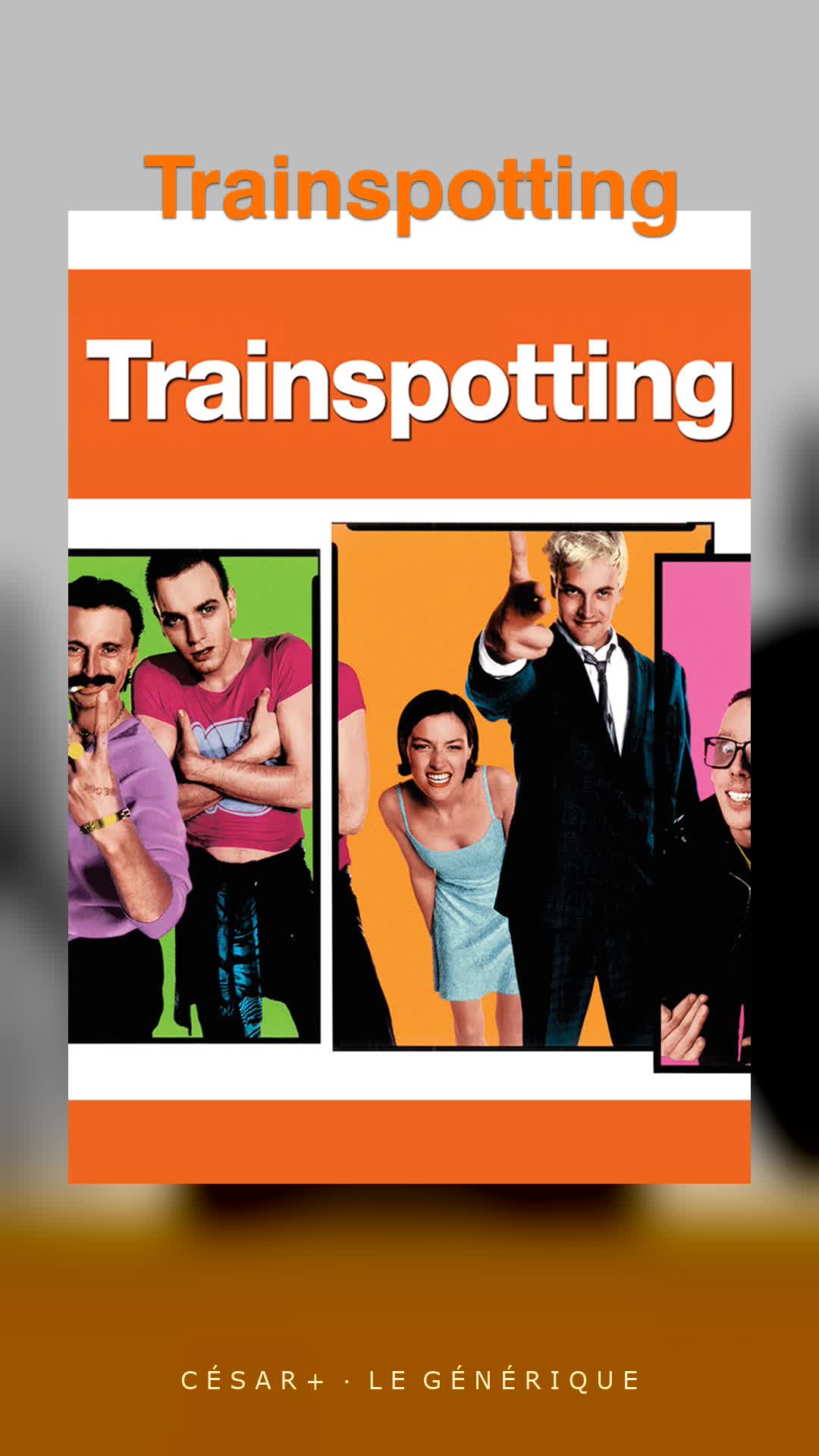
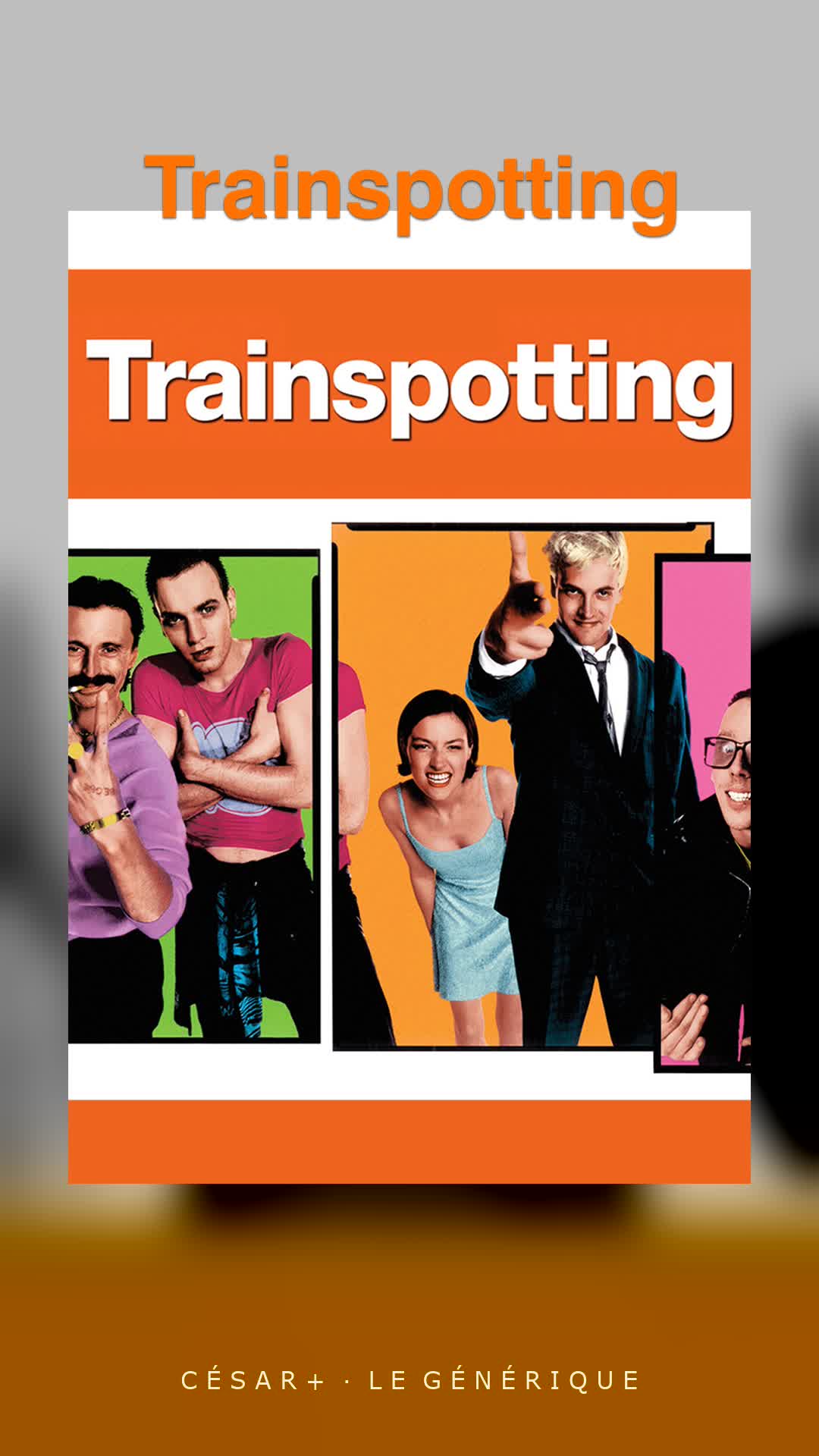
Trainspotting
Danny Boyle · 1996
VENEZIA 83 BRINGS DANNY BOYLE BACK TO THE LIDO. Before INK premieres, we rewind to the opening that turned credits into cinema: TRAINSPOTTING (1996). Jason Kedgley and Dylan Kendle of Tomato built a thesis into every name card — addiction as a grid you cannot leave, Iggy Pop locking the cuts. 60 seconds. Read the title. Read the cinema. #BiennaleCinema2026 #Trainspotting #TitleDesign —
Voice over
The 2026 Venice Film Festival welcomes Danny Boyle back to the Lido. Before his new film — Trainspotting, 1996. Designers Jason Kedgley and Dylan Kendle of collective Tomato build a thesis in credits: addiction as a grid you cannot leave. First, typography. Every name card is grid-generated, snapping into place like entries in Renton's Choose Life catalogue, options listed, none chosen. Second, kinetic editing. Freeze-frames interrupt the run itself, stamping character cards onto bodies caught mid-flight; identity assigned at full sprint, then released back into the chase. Third, texture. Handheld grain of Edinburgh's streets collides with flat, unmodulated color blocks; the city reads as document, the graphics as symptom, and neither softens the other. Iggy Pop drives everything: Lust For Life's drums lock the cuts, piano deadpan beneath the monologue. See the title. Read the cinema. Everything else is noise. Cesar Plus.
Research · Editing · Music — César+ team | Voice over — César Cabrera
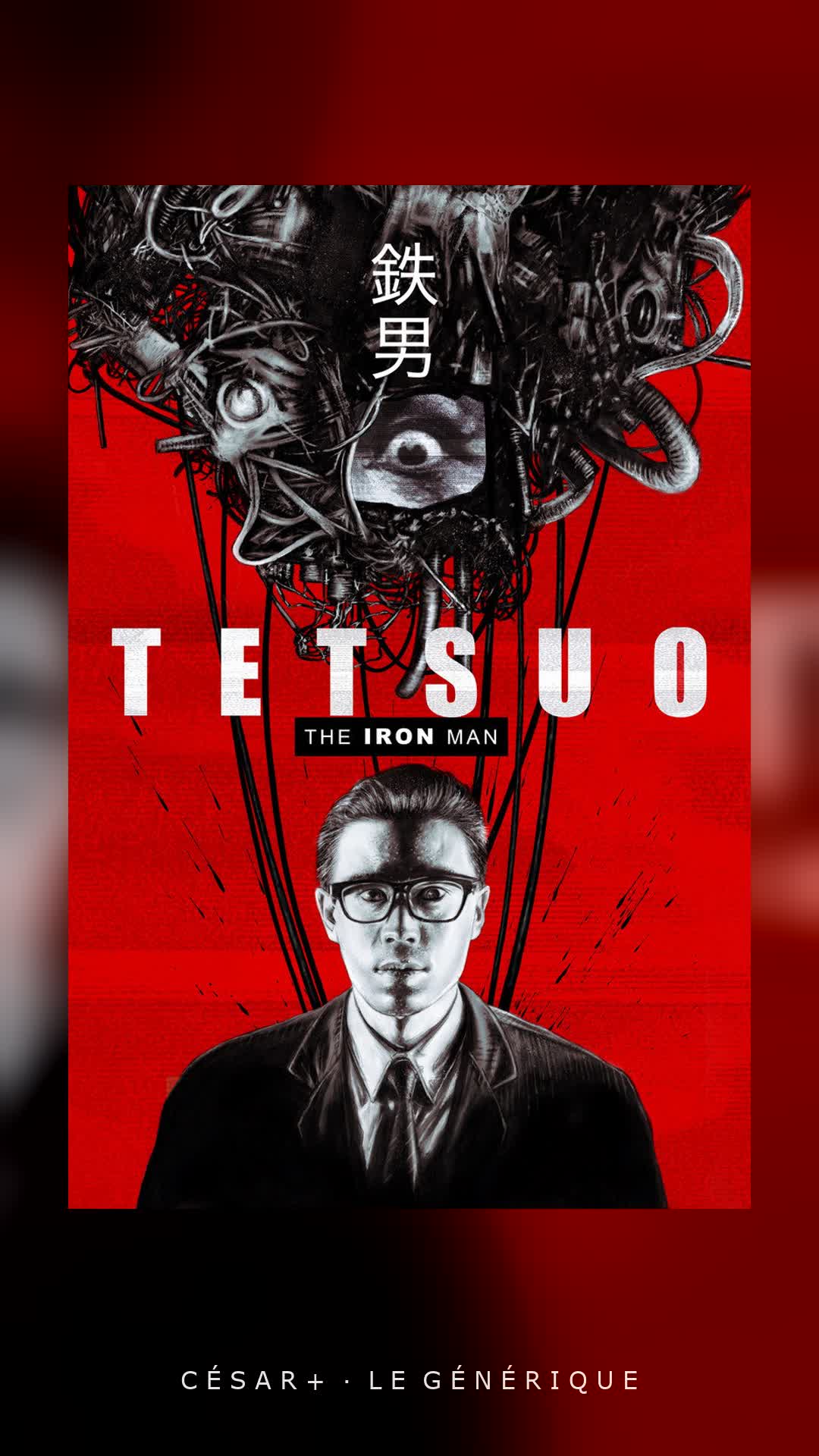
Tetsuo: The Iron Man
Shinya Tsukamoto · 1989
VENEZIA 83 BRINGS SHINYA TSUKAMOTO BACK TO THE LIDO. Before MR. NELSON, DID YOU KILL PEOPLE? premieres, we rewind to the sequence where authorship went feral: TETSUO: THE IRON MAN (1989). No separate title designer exists — Tsukamoto directed, edited, shot and art-directed it alone. Corroded metal type, stop-motion infection, Chu Ishikawa's percussion landing where every cut hits hardest. 60 seconds. Read the title. Read the cinema. #BiennaleCinema2026 #Tetsuo #TitleDesign —
Voice over
The 2026 Venice Film Festival welcomes Shinya Tsukamoto back to the Lido. Tetsuo: The Iron Man, 1989. Shin'ya Tsukamoto directed, edited, photographed and art-directed it alone — no separate title designer exists, because these titles are pure authorship. The typography arrives as corroded metal type, letters pitted like rusted scrap, rejecting the clean geometry of conventional credit design. Kinetic editing follows: stop-motion metal infection lurches forward frame by frame, gears forcing themselves into flesh, every cut a mechanical jolt rather than a smooth transition. Texture completes the anatomy: grainy black-and-white sixteen millimetre makes the image itself feel contaminated, nails through skin rendered tactile by scratched emulsion. Chu Ishikawa's industrial percussion does not accompany these pictures; it drives them, each hammer blow landing exactly where Tsukamoto cuts hardest. See the title. Read the cinema. Everything else is noise. Cesar Plus.
Research · Editing · Music — César+ team | Voice over — César Cabrera
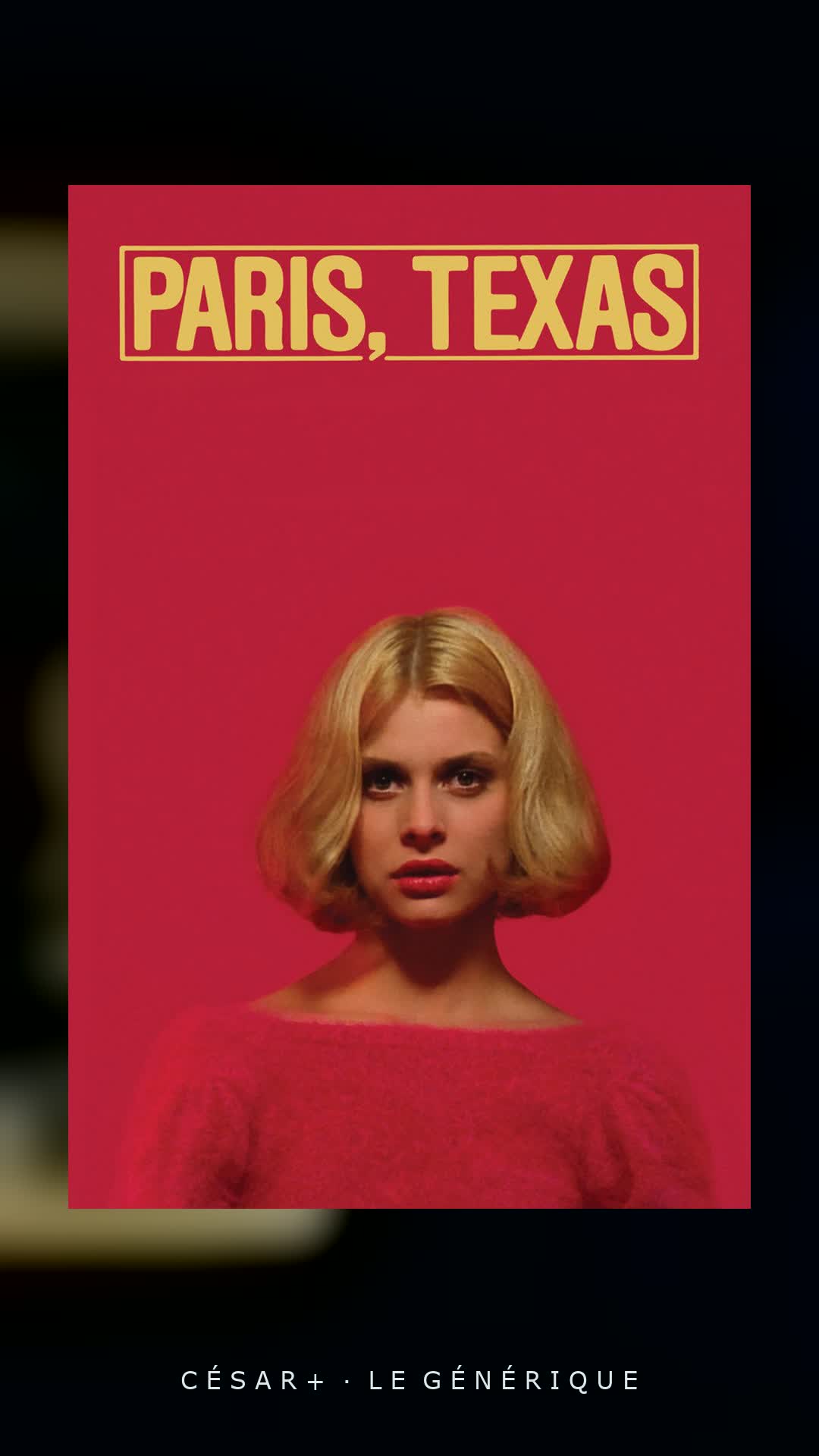
Paris, Texas
Wim Wenders · 1984
VENEZIA 83 BRINGS WIM WENDERS BACK TO THE LIDO. Before his Zumthor documentary screens, we rewind to the sequence that turned a night drive into poetry: PARIS, TEXAS (1984). Robby Muller lets green and red neon smear across wet glass while Ry Cooder's slide guitar bends where the neon bends. The title card never cuts away — it floats, caught in the frame like everything Travis lost. 60 seconds. Read the title. Read the cinema. #BiennaleCinema2026 #ParisTexas #TitleDesign —
Voice over
The 2026 Venice Film Festival welcomes Wim Wenders back to the Lido. Paris, Texas. 1984. Directed by Wim Wenders. Before any dialogue, the film states its thesis in glass and light. Point one, typography. The title card never cuts away from the image. It floats over rain-streaked windshield glass and highway lights, caught in the frame rather than stamped onto it. Point two, kinetic editing. Harry Dean Stanton walks the Texas desert, then drives into neon-soaked Los Angeles at night. One horizontal drift becomes another; the edit barely announces itself. Point three, texture. Robby Müller lets green and red neon reflections dominate the palette, smearing color across wet glass until the screen looks rained-on. Underneath, Ry Cooder's slide guitar bends where the neon bends. With almost no dialogue, the strings do all the talking. See the title. Read the cinema. Everything else is noise. Cesar Plus.
Research · Editing · Music — César+ team | Voice over — César Cabrera
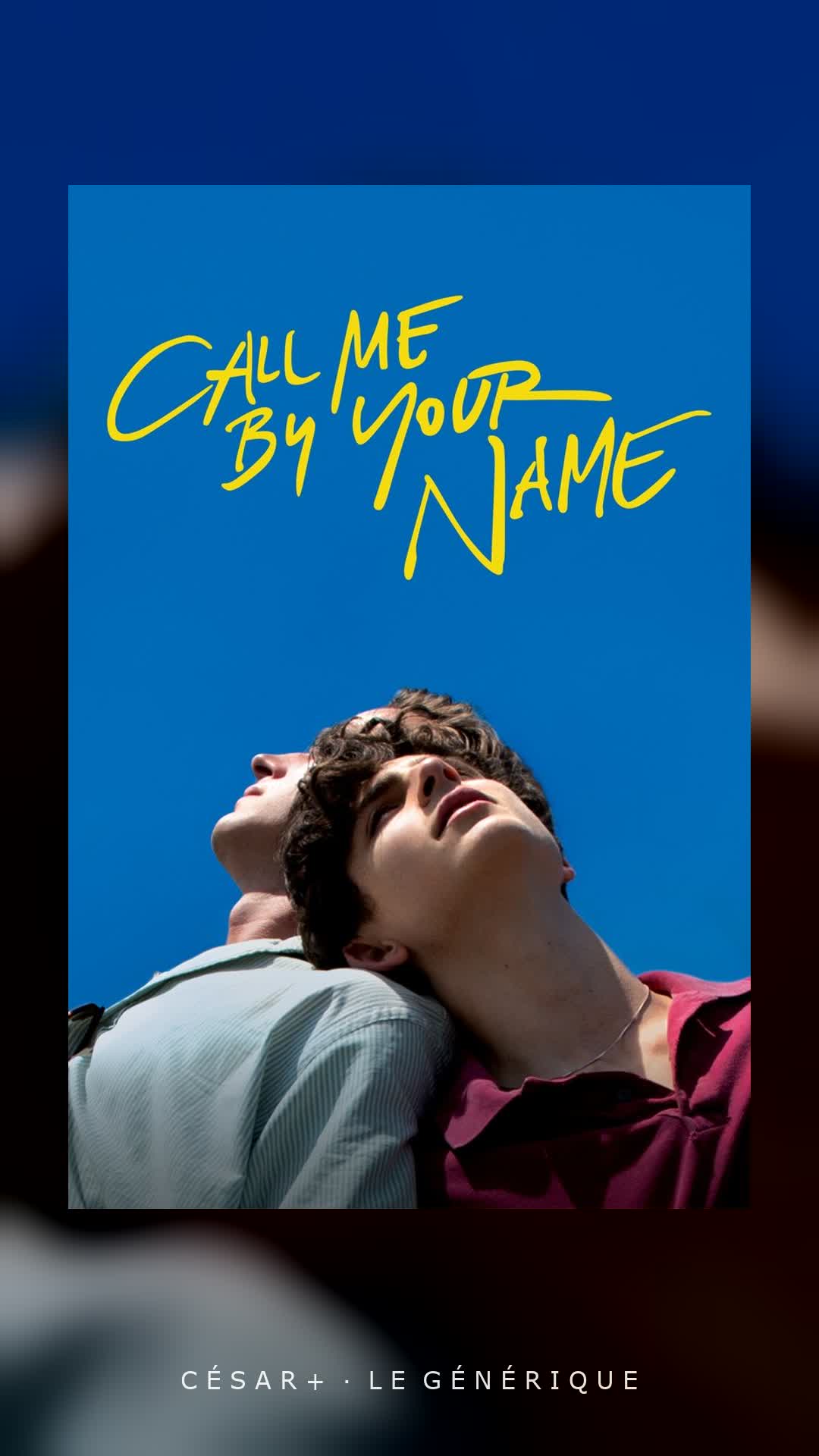
Call Me by Your Name
Luca Guadagnino · 2017
VENEZIA 83 BRINGS LUCA GUADAGNINO BACK TO THE LIDO. Glory to the Filmmaker honoree. Before JOIE DE VIVRE screens, we rewind to the sequence that refused to be one: CALL ME BY YOUR NAME (2017). Somewhere in Northern Italy. Small white credits like marginalia, John Adams' Hallelujah Junction instead of a theme, Sayombhu Mukdeeprom's grain-and-glare summer. Duration itself becomes design. 60 seconds. Read the title. Read the cinema. #BiennaleCinema2026 #CallMeByYourName #TitleDesign —
Voice over
The 2026 Venice Film Festival welcomes Luca Guadagnino back to the Lido. Call Me By Your Name. 2017. Luca Guadagnino opens with a card reading simply: Somewhere in Northern Italy — and then declines to make a title sequence at all. First, typography. The credits are small white type, almost apologetic, placed like marginalia rather than marquee. Place is introduced before people. Second, kinetic editing. The cutting is languid — bicycles, orchard light, water — each shot held long past promotional instinct. Duration itself becomes design. Third, texture. Sayombhu Mukdeeprom's photography gives us grain and glare, heat you can feel through the frame. And the sound? No composed theme. John Adams' minimalist piano piece Hallelujah Junction drives everything — its repeating figures setting the pace the images obey. Music and cut locked in one pulse. See the title. Read the cinema. Everything else is noise. Cesar Plus.
Research · Editing · Music — César+ team | Voice over — César Cabrera

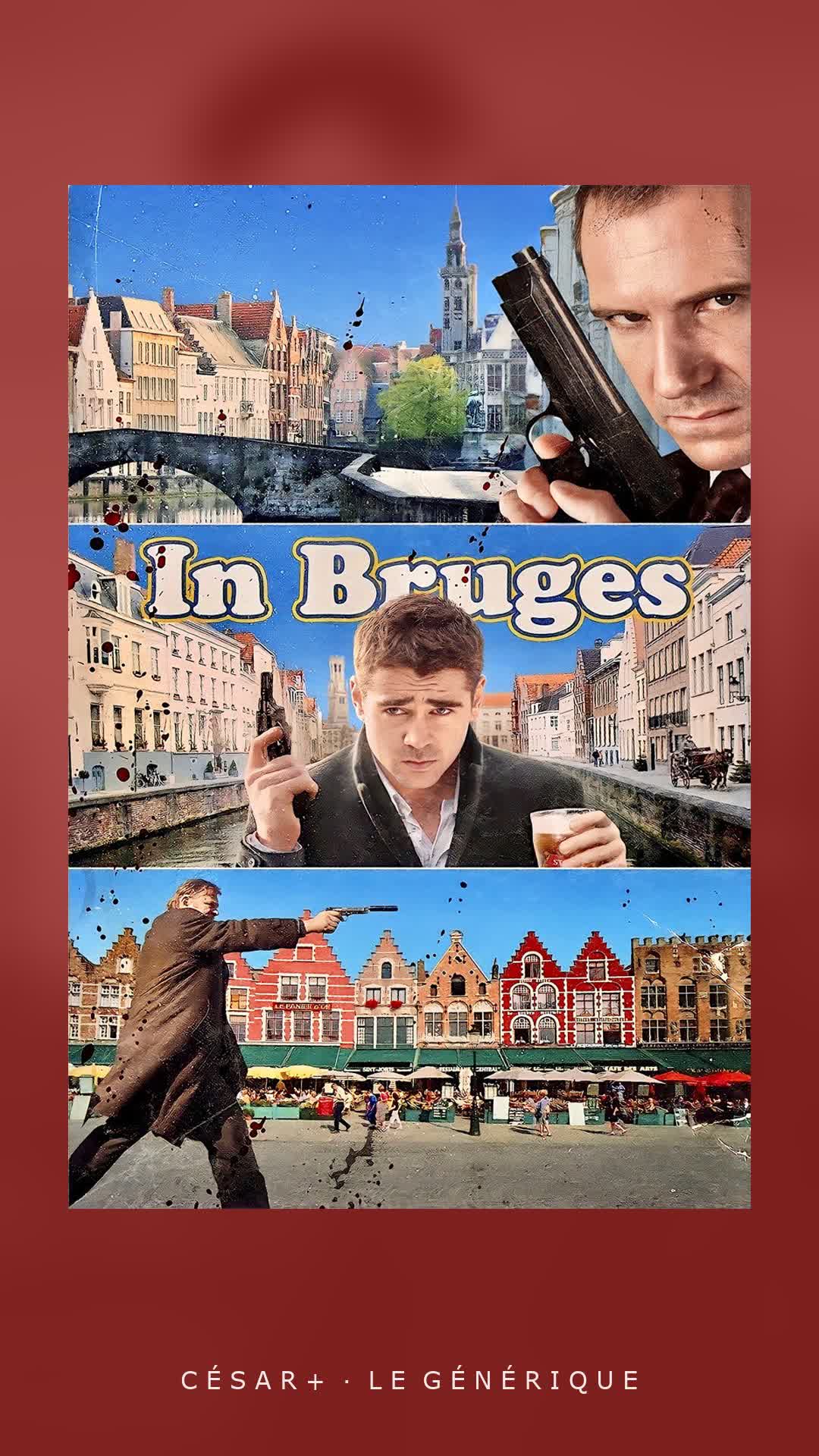
In Bruges
Martin McDonagh · 2008
VENEZIA 83 BRINGS MARTIN MCDONAGH BACK TO THE LIDO. Before WILD HORSE NINE premieres in competition, we rewind to the debut that opened like a lie told beautifully: IN BRUGES (2008). Credits white-on-monochrome like captions in an art book, static postcards of canals and the Belfry, Carter Burwell's lullaby over silence — a fairytale city embalmed before Farrell and Gleeson arrive to spoil it. 60 seconds. Read the title. Read the cinema. #BiennaleCinema2026 #InBruges #TitleDesign —
Voice over
The 2026 Venice Film Festival welcomes Martin McDonagh back to the Lido. In Bruges. 2008. Martin McDonagh's feature debut opens by lying to you beautifully. First, typography: credits small and centered, white against monochrome, behaving like captions in an art book, not a thriller. Second, the edit is anti-kinetic: static compositions hold — canal reflections, the Belfry tower, emptied lanes — cut without rhythm, like postcards turned one at a time. Third, texture: black-and-white flattens the fairytale into something archival, a tourism film gone quiet — beauty embalmed before Farrell and Gleeson arrive to spoil it. The prettiness is the joke and the trap. Carter Burwell's score does what the frame won't: a warm, lullaby-slow melody moving over silence, supplying feeling the frozen monochrome withholds. See the title. Read the cinema. Everything else is noise. Cesar Plus.
Research · Editing · Music — César+ team | Voice over — César Cabrera